

Is It Worth Fixing a Car With 300K Miles? When to Repair or Replace
October 18, 2026
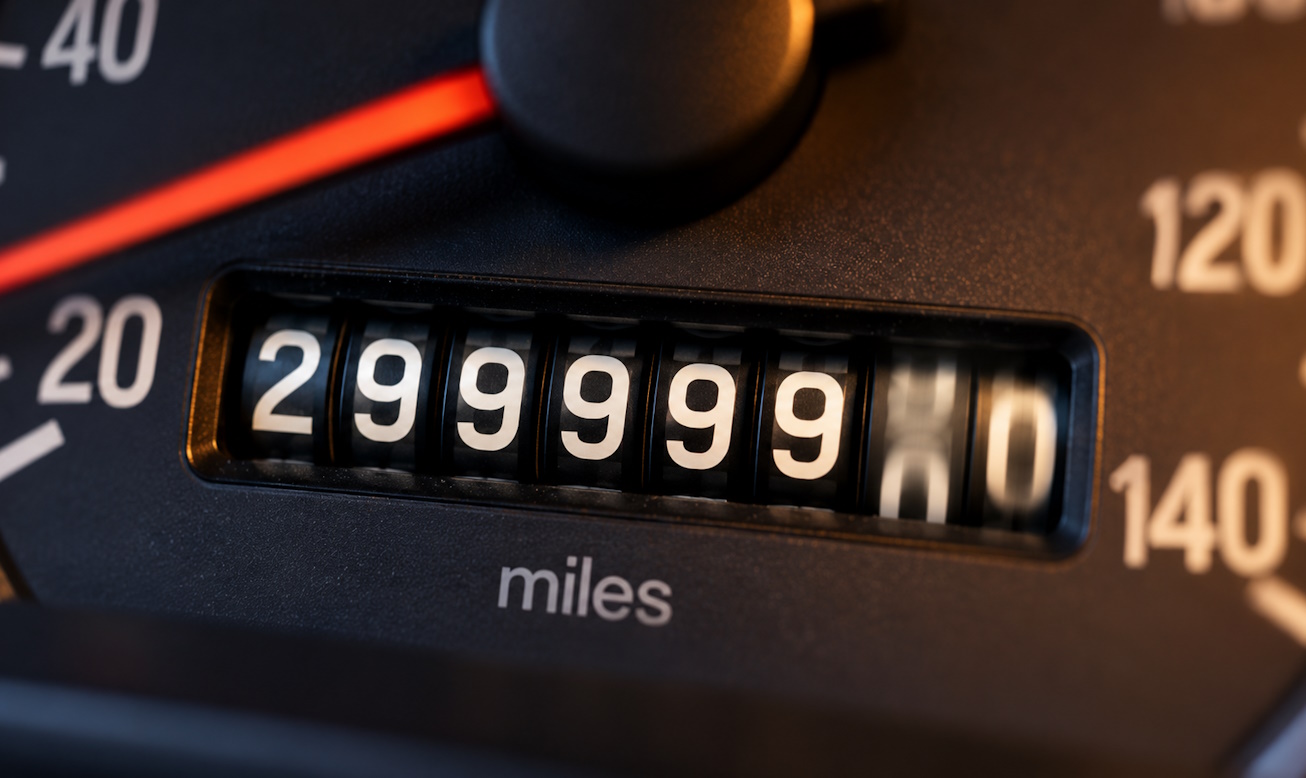
Reaching 300,000 miles is a major milestone for any vehicle. While many drivers assume a car with that much mileage is ready for the junkyard, that’s not always the case. Some well-maintained vehicles can continue running reliably beyond 300,000 miles, while others may become too expensive or unsafe to keep on the road.
So, is it worth fixing a car with 300K miles? The answer depends on several factors, including the vehicle’s make and model, maintenance history, overall condition, and the cost of necessary repairs.
At Mike’s Auto Service in Newington, CT, we understand that deciding whether to repair or replace a high-mileage vehicle isn’t always easy. Let’s explore when repairing a car with 300,000 miles makes financial sense, which vehicles may be worth keeping, and when it’s time to consider moving on.
Can a Car Really Last 300,000 Miles or More?
Yes! Although 300,000 miles is well beyond the mileage many drivers expect from their vehicles, it’s certainly possible for a car to reach this milestone and continue operating.
Modern vehicles are built with increasingly durable engines, transmissions, and other components. With proper maintenance, some vehicles can last 300,000 miles or longer.
However, reaching this mileage doesn’t necessarily mean a vehicle has plenty of life remaining. Its condition matters far more than the number displayed on the odometer.
Several factors influence how long a car can last:
- Maintenance History: Consistent oil changes, fluid services, and preventive maintenance can significantly extend a vehicle’s lifespan.
- Driving Conditions: Highway miles are often less demanding than frequent stop-and-go driving, short trips, or extensive idling.
- Vehicle Make and Model: Some vehicles and powertrains have stronger long-term reliability records than others.
- Previous Repairs: A vehicle that has already received major repairs or replacement components may have additional usable life.
- Rust and Corrosion: Structural rust can make an otherwise mechanically sound vehicle unsafe or uneconomical to repair.
- Driving Habits: Aggressive acceleration, heavy towing, and neglected warning signs can accelerate wear.
A vehicle with 300,000 well-maintained highway miles may actually be in better condition than one with 150,000 miles that has been poorly maintained.
Is It Worth Fixing a Car With 300K Miles?
Yes, fixing a car with 300,000 miles can absolutely be worthwhile, provided the vehicle is structurally sound, has been properly maintained, and doesn’t require repairs that exceed its practical value.
The key is to evaluate the vehicle’s overall condition rather than focusing exclusively on mileage.
For example, imagine you own a dependable vehicle with 305,000 miles that needs a $600 repair. If the engine runs well, the transmission shifts smoothly, and the vehicle has minimal rust, spending $600 to keep it running for another year or two could be a smart financial decision.
Now imagine another vehicle with 300,000 miles that needs a $4,500 transmission replacement, has significant undercarriage rust, and requires additional suspension repairs. In that situation, investing thousands of dollars may not be worthwhile.
Every vehicle is different, which is why a professional inspection can be especially valuable when evaluating high-mileage repairs.
Cars That May Be Worth Keeping Beyond 300,000 Miles
Certain vehicles have earned reputations for longevity, particularly when maintained properly. While no make or model is guaranteed to reach 300,000 miles, some are better candidates for long-term ownership.
Toyota Camry and Corolla
Toyota’s Camry and Corolla have long been popular choices for drivers who prioritize reliability and affordable maintenance.
These vehicles are known for relatively straightforward maintenance requirements and durable powertrains in many model years.
If a high-mileage Camry or Corolla has been properly serviced and remains free of major mechanical or structural problems, continuing to repair it may make financial sense.
Honda Accord and Civic
Honda’s Accord and Civic are also known for their potential longevity.
With regular oil changes, transmission maintenance, and timely repairs, some examples can remain dependable well beyond 200,000 miles and even surpass 300,000 miles.
However, specific engine and transmission combinations vary by model year, so it’s important to evaluate the individual vehicle.
Toyota Tacoma and 4Runner
The Toyota Tacoma and 4Runner are frequently associated with long-term durability.
Their body-on-frame construction and reputation for robust mechanical components make certain model years attractive candidates for extended ownership.
That said, rust is a major consideration, particularly in Connecticut and other Northeastern states where road salt can accelerate corrosion.
A Tacoma or 4Runner with 300,000 miles and a solid frame may be worth maintaining, while one with severe structural rust may not be.
Honda CR-V
The Honda CR-V has been a popular choice among drivers seeking a practical, long-lasting SUV.
Some well-maintained CR-Vs can reach very high mileage, especially when routine maintenance has been performed consistently.
Before investing in repairs, consider the condition of the engine, transmission, suspension, and all-wheel-drive system, if equipped.
Full-Size Trucks and SUVs
Certain Chevrolet Silverado, GMC Sierra, Ford F-150, and other full-size truck configurations can accumulate substantial mileage.
However, reliability varies significantly depending on the engine, transmission, model year, maintenance history, and how the truck was used.
A well-maintained truck that has primarily seen highway use may be a better repair candidate than one that has spent years towing heavy loads or operating in harsh conditions.
The bottom line: A vehicle’s maintenance history and current mechanical condition are more important than its brand name alone.
When Is a Car Not Worth Fixing?
One of the most important questions for owners of older vehicles is, when is a car not worth fixing?
There isn’t a universal mileage limit or repair-cost threshold that applies to every situation. However, several warning signs suggest that replacing your vehicle may be the better decision.
1. Repair Costs Are Higher Than the Vehicle’s Value
If your car is worth approximately $1,500 but needs $4,000 in repairs, it may be difficult to justify the expense.
However, market value isn’t the only consideration. You should also compare the repair cost with the expense of purchasing and maintaining a replacement vehicle.
A $2,000 repair could still be financially reasonable if it provides reliable transportation for another two years and avoids taking on a substantial monthly car payment.
2. The Vehicle Has Serious Structural Rust
Rust is especially important for Connecticut drivers because winter road salt can damage vehicle frames, suspension mounting points, brake lines, and other components.
Minor surface rust may be manageable, but significant structural corrosion can compromise safety.
If a vehicle’s frame or critical structural components are severely deteriorated, repairing it may not be practical or safe.
3. The Engine or Transmission Is Failing
Major engine and transmission repairs can cost thousands of dollars.
For a car with 300,000 miles, replacing one of these components may not make sense if other major systems are also nearing the end of their useful lives.
On the other hand, a high-mileage vehicle with an otherwise excellent maintenance history and solid body may still justify a major repair in certain circumstances.
4. You’re Constantly Paying for Repairs
An occasional repair is normal, especially for an older vehicle.
However, if your car repeatedly breaks down or requires expensive repairs every few months, the ongoing costs can quickly add up.
Consider tracking your repair expenses over the past 12 months.
If you’re spending thousands of dollars annually and the vehicle continues to experience problems, replacement may be worth considering.
5. The Vehicle Is No Longer Safe or Dependable
Safety should always take priority over repair costs.
Problems involving brakes, steering, suspension, structural integrity, or other critical systems need immediate attention.
If your vehicle has serious safety concerns that cannot be repaired economically, continuing to drive it may not be a reasonable option.
How Much Should You Spend Repairing a 300,000-Mile Car?
Rather than following a strict rule based on the vehicle’s resale value, consider how much additional dependable transportation you expect to receive from the repair.
Here’s a hypothetical example:
| Scenario | Repair Cost | Expected Additional Use | Approximate Repair Cost per Month |
|---|---|---|---|
| Minor repairs | $500 | 12 months | $42 |
| Moderate repairs | $1,500 | 18 months | $83 |
| Major repairs | $3,000 | 24 months | $125 |
| Extensive repairs | $5,000 | 12 months | $417 |
These examples are for illustration only. Actual vehicle lifespan and future repair expenses cannot be guaranteed, and the figures exclude fuel, insurance, routine maintenance, and unexpected repairs.
Still, the comparison demonstrates why repairing an older car can sometimes be more affordable than purchasing a replacement.
A $1,500 repair that keeps your vehicle running reliably for another 18 months may be a better financial decision than immediately taking on a new monthly car payment.
Signs Your 300K-Mile Car Is Worth Keeping
Even with 300,000 miles on the odometer, your vehicle may still have plenty of useful life remaining.
Some encouraging signs include:
- The engine starts easily and runs smoothly.
- The transmission shifts properly without slipping or hesitation.
- There is little or no significant structural rust.
- The vehicle has a documented maintenance history.
- Oil consumption and fluid leaks are minimal or manageable.
- The brakes, steering, and suspension are in good condition.
- The vehicle doesn’t experience frequent breakdowns.
- Repair costs remain relatively predictable and affordable.
If your vehicle meets most of these criteria, there’s no reason to automatically replace it simply because it has reached 300,000 miles.
Signs It May Be Time to Replace Your High-Mileage Vehicle
Conversely, some warning signs suggest that your vehicle may be approaching the end of its practical lifespan.
These include:
- Multiple expensive repairs are needed at the same time.
- The engine experiences severe internal damage or excessive oil consumption.
- The transmission is failing.
- Structural rust compromises the vehicle’s safety.
- Breakdowns are becoming more frequent.
- Replacement parts are increasingly difficult to find.
- The vehicle’s reliability is affecting your ability to get to work or handle daily responsibilities.
If several of these issues are present, replacing your vehicle may be more practical than continuing to invest in repairs.
Repair vs. Replace: Questions to Ask Before Making a Decision
Before deciding what to do with a 300,000-mile vehicle, ask yourself a few important questions.
How Much Will the Repair Cost?
Get a detailed estimate from a trusted automotive repair shop. Understanding the full scope of the repair helps prevent unexpected expenses.
What Other Repairs Might Be Needed Soon?
A comprehensive inspection can identify worn components or developing problems that may affect your decision.
How Much Is the Vehicle Worth?
Research its current market value, but remember that its value as dependable transportation may be greater than its resale value.
What Would a Replacement Vehicle Cost?
Factor in monthly payments, insurance, taxes, registration, and any immediate maintenance a used replacement might need.
How Dependable Does the Vehicle Need to Be?
A high-mileage car used for occasional local trips may be a reasonable vehicle to keep, while someone commuting long distances every day may place a higher priority on reliability.
How to Make a Car Last Beyond 300,000 Miles
If you’ve decided your high-mileage vehicle is worth keeping, proper maintenance becomes even more important.
Here are several ways to help extend its lifespan:
Stay Consistent With Oil Changes
Follow the manufacturer’s recommended oil specifications and service intervals. Check the oil level regularly, particularly if your engine consumes oil between changes.
Maintain the Cooling System
Overheating can cause severe engine damage. Inspect coolant levels, hoses, the radiator, and other cooling system components as recommended.
Don’t Ignore Transmission Maintenance
Transmission fluid condition and service requirements vary by vehicle. Follow manufacturer guidance and consult a qualified mechanic before servicing a high-mileage transmission with an unknown maintenance history.
Address Small Problems Early
Minor fluid leaks, unusual noises, and warning lights can sometimes indicate problems that become significantly more expensive if ignored.
Inspect the Undercarriage for Rust
Connecticut winters can be especially hard on older vehicles. Periodically inspecting the undercarriage and removing accumulated road salt can help identify and limit corrosion-related issues.
Schedule Regular Vehicle Inspections
A professional inspection can identify worn components, fluid leaks, suspension problems, and other concerns before they lead to unexpected breakdowns.
Frequently Asked Questions About Cars With 300K Miles
Is 300K Miles Too Much for a Car?
Not necessarily. Although 300,000 miles is considered very high mileage, some well-maintained vehicles can continue operating reliably beyond this point. The vehicle’s condition, maintenance history, and repair needs are more important than mileage alone.
Is It Worth Replacing an Engine in a Car With 300K Miles?
It depends on the replacement cost and the condition of the rest of the vehicle. If the transmission, frame, suspension, and other major systems are in good condition, an engine replacement may be worth considering. However, multiple existing problems can make the investment difficult to justify.
Can a Car Last 400,000 Miles?
Yes, some vehicles can reach 400,000 miles or more. However, this is uncommon compared with typical vehicle lifespans and usually requires consistent maintenance, favorable driving conditions, and repairs or component replacements along the way.
When Is a Car Not Worth Fixing?
A car may not be worth fixing when it has severe structural damage, repeated major mechanical failures, or repair costs that are unreasonable compared with the cost and reliability of a replacement vehicle. The decision should consider safety, future expenses, and transportation needs.
Should I Keep My Car If It Has Over 300K Miles?
If your car is safe, dependable, and relatively affordable to maintain, keeping it may be a smart financial choice. A professional inspection can help determine whether additional repairs are worthwhile.
Have a High-Mileage Car? Let Mike’s Auto Service Help You Decide
So, is it worth fixing a car with 300K miles? In many cases, the answer is yes. A well-maintained vehicle with a healthy engine, reliable transmission, and solid structure may still have years of useful life remaining.
However, when major mechanical problems, structural rust, and frequent breakdowns begin adding up, replacing your vehicle may be the better long-term decision.
At Mike’s Auto Service in Newington, CT, we understand that not every high-mileage vehicle needs to be replaced. Our goal is to help you better understand your vehicle’s condition, identify necessary repairs, and make an informed decision about whether it’s worth keeping on the road.
Whether your car has 100,000, 200,000, or more than 300,000 miles, having an experienced mechanic evaluate its condition can help you avoid unnecessary expenses and plan for the road ahead.
Contact Mike’s Auto Service today to schedule an inspection or discuss your high-mileage vehicle’s repair needs.