
General Car Maintenance Tips for First-Time Car Owners
September 25, 2026
Owning your first car is exciting, but it also comes with a new set of responsibilities. While you don’t need to be a mechanic to take good care of your vehicle, understanding a few basic car maintenance tips can help you avoid breakdowns, improve safety, and potentially save money on expensive repairs.
The good news is that routine vehicle maintenance doesn’t have to be complicated. Most cars simply need regular inspections, fluid changes, tire care, and attention to warning signs.
Whether you just bought your first new car or picked up a used vehicle, these general car maintenance tips will help you keep it running smoothly for years to come.
1. Follow Your Vehicle’s Maintenance Schedule
One of the most important car maintenance tips for any new owner is also one of the easiest: read your owner’s manual.
Your vehicle manufacturer provides a recommended maintenance schedule based on mileage and time. Depending on the vehicle, this may include:
- Oil and filter changes
- Tire rotations
- Brake inspections
- Engine air filter replacement
- Cabin air filter replacement
- Coolant service
- Transmission fluid service
- Spark plug replacement
- Belt and hose inspections
Don’t assume every vehicle follows the same schedule. Maintenance requirements can vary depending on the make, model, engine, age, mileage, and driving conditions.
Keeping a record of completed services can also make it much easier to know what’s coming up next. If you’re unsure what your vehicle needs, Mike’s Auto Service offers comprehensive auto repair and maintenance services in Newington, CT.
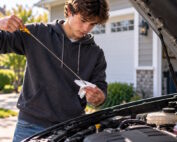
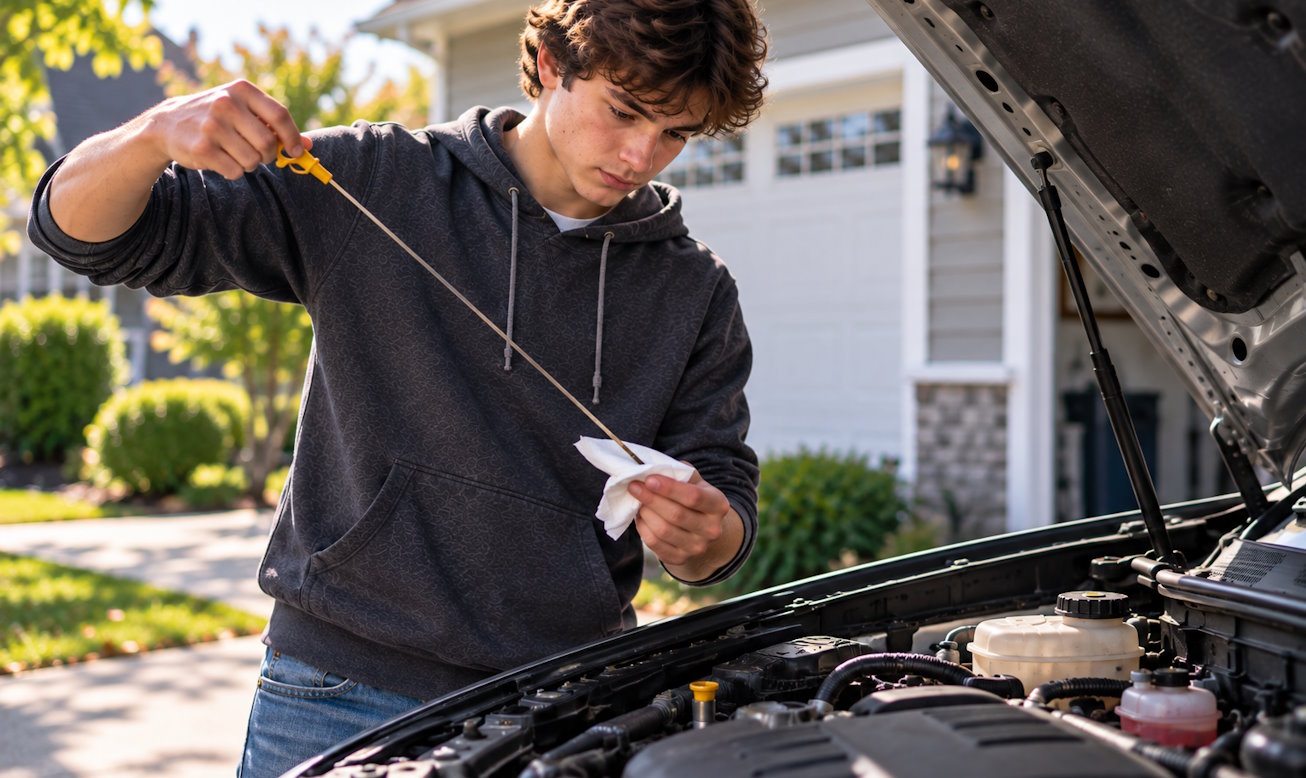
2. Check and Change Your Engine Oil
Regular oil changes are one of the most important parts of basic vehicle maintenance.
Engine oil lubricates the moving components inside your engine, helping reduce friction, heat, and wear. As oil ages, it can become contaminated and less effective at protecting your engine.
How often should you change it? There’s no single mileage interval that’s correct for every vehicle. Check your owner’s manual and follow the manufacturer’s recommendations for both the interval and type of oil.
If you’re unsure when your vehicle last received an oil change—especially after purchasing a used car—having the oil and other fluids inspected is a smart place to start. Mike’s Auto Service provides professional oil change and fluid services to help keep your vehicle properly maintained.
3. Keep an Eye on Your Tires
Your tires are your vehicle’s connection to the road, so taking care of them is an important part of both maintenance and safety.
Get into the habit of checking:
- Tire pressure: Check your tires when they’re cold and inflate them according to the pressure listed on the driver’s-side door jamb or in your owner’s manual—not the maximum PSI printed on the tire.
- Tread depth: Worn tires can significantly reduce traction, particularly on wet or snowy roads.
- Uneven wear: Excessive wear on one portion of a tire may indicate an alignment, suspension, or inflation problem.
- Visible damage: Look for cracks, cuts, punctures, or bulges.
- Tire rotation: Regular rotations can help promote more even tread wear and extend tire life.
A Tire Pressure Monitoring System (TPMS) is helpful, but don’t rely on the warning light as your only way of checking tire pressure.
If you’re unsure about the condition of your tires, Mike’s offers complete tire services, including inspections, rotations, balancing, alignments, repairs, and replacement tires.
4. Learn How to Check Your Vehicle’s Fluids
Your car relies on several fluids to operate properly. You don’t necessarily need to service them yourself, but every first-time car owner should at least know that they exist.
Depending on your vehicle, important fluids may include:
- Engine oil
- Engine coolant/antifreeze
- Brake fluid
- Transmission fluid
- Power steering fluid
- Windshield washer fluid
Some newer vehicles have sealed systems or different maintenance requirements, so always consult your owner’s manual before adding or replacing a fluid.
If you notice a puddle underneath your vehicle, don’t ignore it. While water from your air conditioning system can be completely normal, other leaks could indicate a problem with oil, coolant, transmission fluid, brake fluid, or another system. Mike’s can inspect these systems and provide the appropriate automotive fluid services when needed.
5. Don’t Ignore Your Brakes
Brakes gradually wear down, and how quickly that happens depends on your vehicle and driving habits.
Pay attention to warning signs such as:
- Squeaking or squealing when braking
- Grinding noises
- Steering wheel vibration when braking
- A soft or spongy brake pedal
- The vehicle pulling while braking
- Longer stopping distances
- A brake or ABS warning light
Some brake noises don’t necessarily mean you need an entirely new brake system, but unusual braking behavior should always be inspected.
If something doesn’t feel right, schedule a professional brake inspection or brake repair rather than waiting for the problem to get worse.
6. Pay Attention to Dashboard Warning Lights
Your dashboard is one of the easiest ways your vehicle can tell you something needs attention.
Common warning lights include:
- Check engine light
- Oil pressure warning
- Battery/charging system warning
- Brake warning light
- ABS warning light
- Coolant temperature warning
- Tire pressure warning
Not every warning light means your car is about to break down, but you shouldn’t simply ignore one and hope it disappears.
A flashing check engine light or warnings related to oil pressure, overheating, or braking can indicate a more urgent problem. If you’re unsure what a warning means, consult your owner’s manual or have the vehicle professionally inspected.
7. Check Your Battery
Few first-time car owners think about their battery until they turn the key—or push the start button—and nothing happens.
Car batteries don’t last forever. Temperature extremes, frequent short trips, electrical problems, and age can all affect battery life.
Possible signs of a weak battery include:
- Slow engine cranking
- Clicking when trying to start the car
- Dim headlights
- Electrical accessories behaving strangely
- Battery warning light
- Needing frequent jump-starts
Having the battery and charging system tested periodically can help identify a weakening battery before it leaves you stranded.
8. Replace Filters When Needed
Your vehicle may have several filters, but two of the most common maintenance items are the engine air filter and cabin air filter.
The engine air filter helps keep dirt and debris out of your engine’s air intake. The cabin air filter helps filter dust, pollen, and other contaminants from air entering the passenger compartment.
Replacement intervals vary, so check your maintenance schedule rather than relying on a universal rule.
9. Inspect Your Lights Regularly
It’s easy to overlook a burned-out bulb because you can’t always see your exterior lights while you’re driving.
Periodically check your:
- Headlights
- High beams
- Brake lights
- Turn signals
- Hazard lights
- Reverse lights
- License plate lights
Exterior lighting helps you see the road and helps other drivers see and understand what you’re doing.
10. Don’t Ignore Strange Sounds, Smells, or Vibrations
One of the best basic car maintenance tips is simply to pay attention to changes in how your vehicle feels.
You drive your car regularly, which means you’re often the first person who will notice when something changes.
Watch for:
- New squealing or grinding noises
- Knocking or clunking sounds
- Burning smells
- Sweet or unusual odors
- Excessive vibration
- Rough idling
- Difficulty starting
- Changes in acceleration
- Changes in steering or braking
Getting a small issue inspected early can sometimes prevent it from developing into a much larger repair. If something doesn’t seem right, consider scheduling an auto repair inspection instead of waiting for the symptoms to become more serious.
11. Keep Your Car Clean
Car maintenance isn’t limited to what’s underneath the hood.
Regularly washing your vehicle helps remove dirt, road grime, salt, and other contaminants that can affect the paint and metal surfaces over time. This is particularly important here in Connecticut, where winter road treatments can accumulate underneath a vehicle.
During winter and early spring, consider washing the underbody periodically to remove accumulated road salt.
Keeping the interior clean can also protect upholstery, carpeting, controls, and other surfaces.
12. Build a Simple Car Emergency Kit
Maintenance reduces the chance of a breakdown, but it’s still smart to prepare for unexpected situations.
Consider keeping a basic emergency kit in your vehicle containing:
- Jumper cables or a portable jump starter
- Flashlight
- Tire pressure gauge
- Basic first-aid supplies
- Reflective warning triangles
- Phone charging cable
- Gloves
- Ice scraper and snow brush
- Blanket during colder months
It’s also a good idea to know where your spare tire or tire repair kit is located before you actually need it.
A Simple Car Maintenance Checklist for Beginners
If all of this sounds like a lot to remember, don’t worry. Most vehicle maintenance doesn’t need to happen every week.
Start with a simple routine:
Regularly:
- Watch for dashboard warning lights
- Listen for unusual noises
- Look underneath the vehicle for leaks
- Pay attention to changes in braking, steering, and handling
About Once a Month:
- Check tire pressure
- Inspect tire condition
- Check exterior lights
- Check accessible fluid levels
At Scheduled Mileage or Time Intervals:
- Change engine oil and filter
- Rotate tires
- Inspect brakes
- Replace filters
- Inspect belts and hoses
- Service fluids as recommended
- Complete manufacturer-recommended maintenance
The most important thing is consistency. A small amount of preventive maintenance throughout the year can be much easier—and less expensive—than dealing with neglected repairs later.
Need Help With Car Maintenance in Newington, CT?
You don’t have to know everything about cars to be a responsible car owner. You simply need to pay attention to your vehicle and stay on top of its recommended maintenance.
If you’re unsure where to begin, the experienced technicians at Mike’s Auto Service can inspect your vehicle, review its current condition, and help you understand which maintenance services are actually needed.
From oil changes and fluid services to brake repair, tire services, and other auto repair and maintenance services, Mike’s Auto Service can help keep your vehicle safe and reliable.
Contact Mike’s Auto Service today to schedule your next maintenance or repair appointment in Newington, CT.