

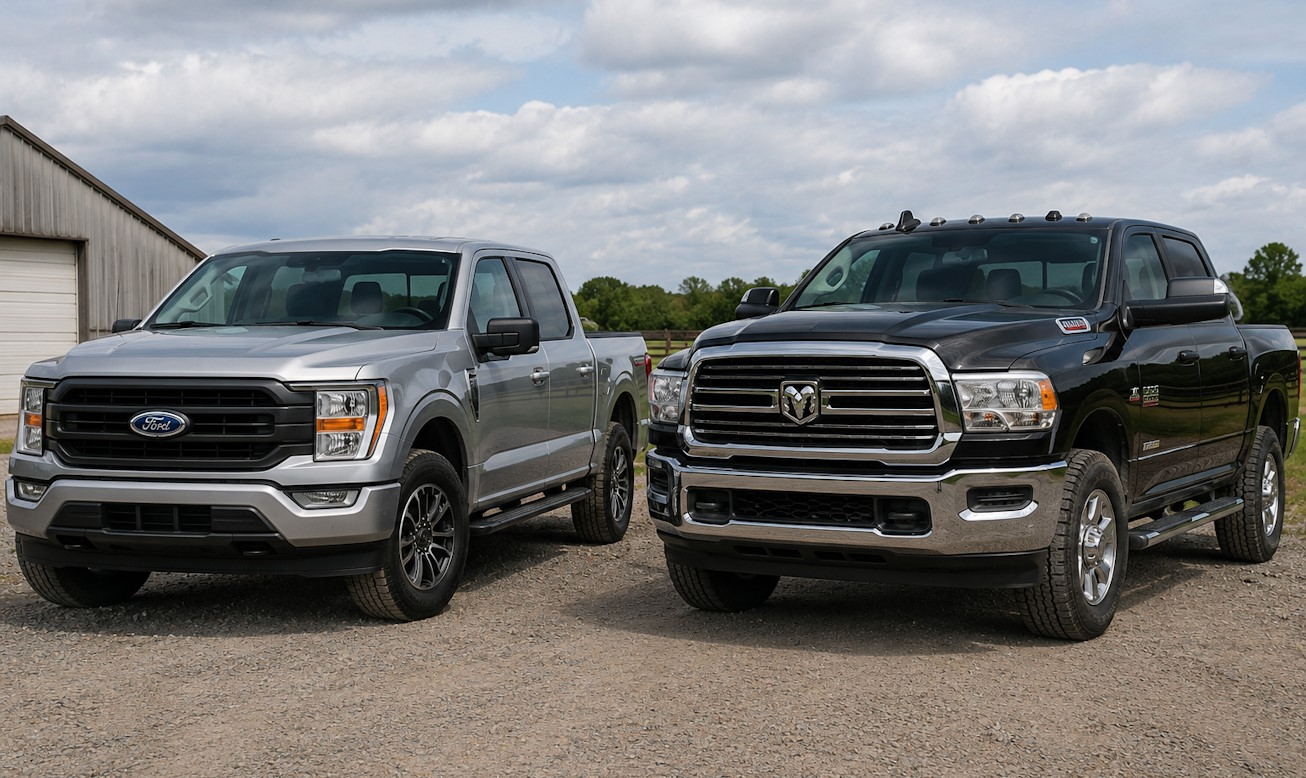
Gas vs. Diesel Trucks: Pros and Cons of Each Engine Type
July 28, 2026
Whether you’re shopping for your next pickup or trying to decide if it’s time to switch engine types, understanding the gas vs. diesel truck pros and cons can help you make the best decision. While both engine options have their strengths, the right choice depends on how you use your truck, your driving habits, and your long-term ownership goals.
At Mike’s Auto Service in Newington, CT, we regularly service both gasoline and diesel trucks. Here’s what every truck owner should know before choosing between a gas and diesel engine.
Gas vs. Diesel Truck: What’s the Difference?
Although both engines generate power through internal combustion, they operate differently. Gasoline engines use spark plugs to ignite a fuel-air mixture, while diesel engines rely on high compression to ignite diesel fuel. This difference results in unique performance characteristics, maintenance requirements, and ownership costs.
If you’re comparing a diesel vs. gas truck, it’s important to look beyond horsepower alone and consider towing needs, fuel economy, maintenance costs, and how you plan to use the vehicle.
Pros of Diesel Trucks
Outstanding Towing Capability
One of the biggest pros of owning a diesel truck is its incredible torque. Diesel engines produce significantly more low-end torque than comparable gasoline engines, making them ideal for towing campers, trailers, boats, construction equipment, and heavy loads.
Better Fuel Economy
Diesel engines are generally more fuel-efficient than gasoline engines, especially during highway driving or while towing. Although diesel fuel often costs more per gallon, improved fuel economy can offset those costs over time.
Longer Engine Life
Diesel engines are built with heavier-duty internal components to withstand higher compression. With proper maintenance, many diesel trucks can easily exceed 300,000 miles and continue running reliably for years.
Higher Resale Value
Well-maintained diesel trucks often retain their value better than comparable gas models due to their durability and demand among buyers who tow frequently.
Cons of Diesel Trucks
Higher Purchase Price
One of the primary cons of a diesel truck is the initial cost. Diesel engine packages can add several thousand dollars to the purchase price of a new truck.
More Expensive Maintenance
While diesel engines are durable, routine maintenance often costs more. Oil changes require more oil, fuel filters need regular replacement, and modern emissions systems—including DEF (Diesel Exhaust Fluid), diesel particulate filters (DPFs), and EGR systems—can increase repair costs if problems develop.
Costlier Repairs
Diesel injectors, turbochargers, and high-pressure fuel systems are sophisticated components that typically cost more to repair or replace than comparable gasoline engine parts.
Cold Weather Considerations
Diesel engines can be more difficult to start during extremely cold weather, although modern glow plugs and engine block heaters have greatly improved cold-weather reliability.
Pros of Gas Trucks
Lower Initial Cost
Gas-powered trucks are generally less expensive to purchase, making them attractive for drivers who don’t need maximum towing capacity.
Lower Maintenance Costs
Routine maintenance is usually less expensive for gasoline trucks. Oil changes, spark plugs, ignition components, and general repairs tend to cost less than comparable diesel services.
Quieter Operation
Modern gasoline engines operate more quietly and smoothly than diesel engines, providing a more comfortable driving experience for many owners.
Better for Daily Driving
If your truck is primarily used for commuting, errands, and light hauling, a gasoline engine often makes more financial sense.
Cons of Gas Trucks
Lower Towing Performance
Although today’s gasoline engines are powerful, they generally cannot match the low-end torque produced by diesel engines when towing heavy loads.
Reduced Fuel Economy Under Load
Gasoline engines often consume considerably more fuel while towing or hauling compared to diesel engines.
Shorter Overall Lifespan
While modern gas engines are very reliable, they typically don’t last as long as properly maintained diesel engines when subjected to heavy-duty use.
Diesel vs. Gas Truck Pros and Cons: Side-by-Side Comparison
| Feature | Diesel Truck | Gas Truck |
|---|---|---|
| Purchase Price | Higher | Lower |
| Fuel Economy | Better | Lower |
| Towing Capacity | Excellent | Very Good |
| Torque | Outstanding | Good |
| Maintenance Costs | Higher | Lower |
| Repair Costs | Higher | Lower |
| Engine Longevity | Excellent | Very Good |
| Daily Driving | Good | Excellent |
| Cold Weather Performance | Good | Excellent |
| Resale Value | Higher | Good |
Which Truck Is Right for You?
When comparing gas vs. diesel trucks, there isn’t a universal winner.
A diesel truck may be your best choice if you:
- Tow heavy trailers regularly
- Drive long highway distances
- Plan to keep your truck for many years
- Need maximum torque for work applications
A gasoline truck may be the better option if you:
- Primarily commute or drive around town
- Occasionally tow lighter loads
- Want lower maintenance costs
- Prefer a lower purchase price
Keep Your Truck Running Its Best
Whether you own a gasoline pickup or a heavy-duty diesel truck, routine maintenance is the key to maximizing reliability and performance. Regular oil changes, fuel system maintenance, cooling system inspections, transmission service, and preventative repairs can help avoid costly breakdowns while extending the life of your truck.
At Mike’s Auto Service, our experienced technicians provide expert maintenance and repairs for both gas and diesel trucks. From routine service to engine diagnostics and major repairs, we’re here to help keep your truck performing at its best.
Schedule your next truck service with Mike’s Auto Service in Newington, CT, and let our team help you get the most from your gasoline or diesel pickup.