
Studded Snow Tires: Are They Worth it for New England Drivers?
January 19, 2026
New England winters can be unpredictable. One week you’re dealing with slush and freezing rain, the next you’re driving on packed snow and black ice. If you’ve ever felt your car slide at a stop sign or struggled up an icy hill, you’ve probably wondered: are studded snow tires worth it?
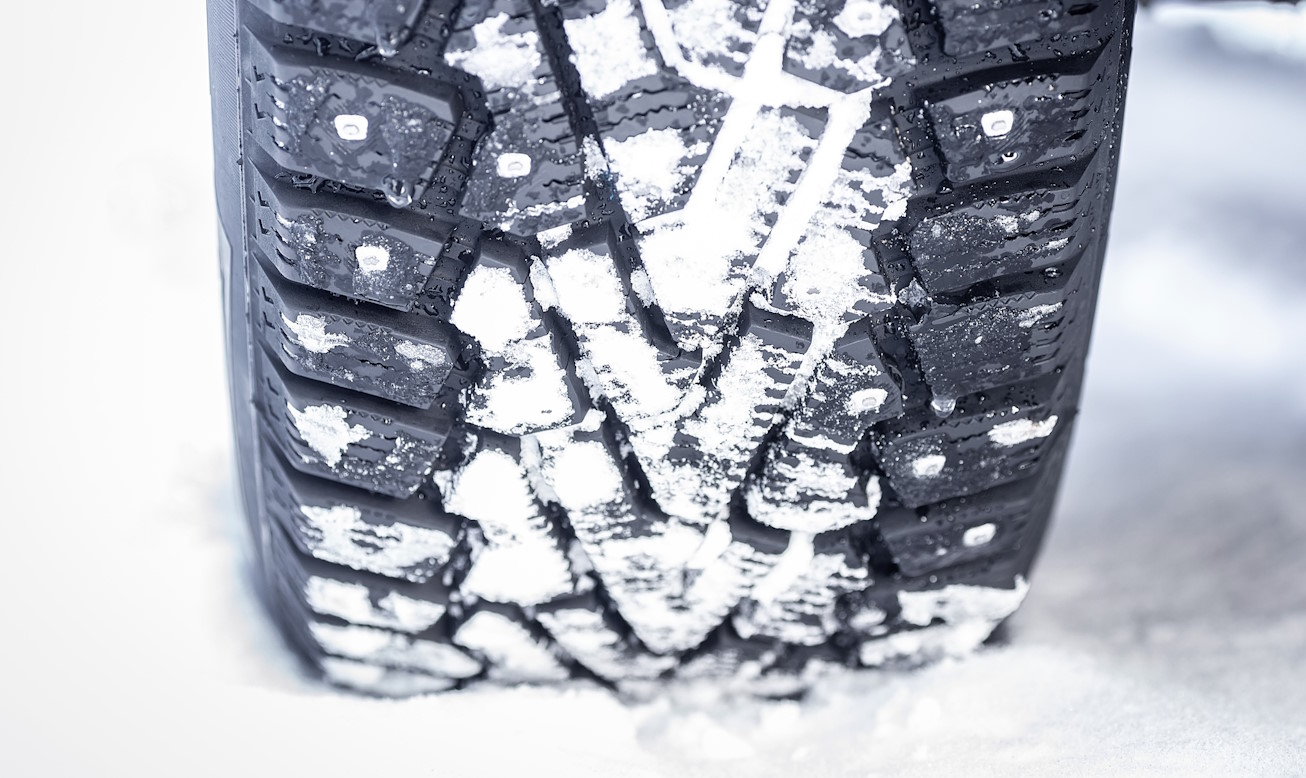
Studded tires (also called studded snow tires or studded winter tires) are winter tires that include small metal tire studs embedded in the tread. Those studs are designed to bite into ice for extra traction. For some New England drivers, that extra grip is a game-changer. For others, studs can be overkill (and occasionally a headache).
Below, we’ll break down what are studded tires, the biggest pros and cons, when they’re a smart choice in New England, and what to consider before making the switch.
What Are Studded Tires?
Studded tires are a type of winter tire with metal pins inserted into the tread. These tire studs protrude slightly from the rubber and help the tire “dig in” on hard, slick surfaces, especially ice. You’ll usually hear them before you notice them: on dry pavement, studs can create a distinct clicking or humming sound.
It’s important to note that studs are different from standard winter tires. A high-quality non-studded winter tire uses a softer rubber compound and specialized tread design to grip in cold weather, snow, and slush. Studded snow tires add an extra layer of traction specifically aimed at icy roads.
Pros of Studded Snow Tires for New England Drivers
Excellent grip on ice
The biggest advantage of studded winter tires is improved traction on glare ice and hard-packed snow. If you regularly drive on untreated back roads, steep hills, or areas where ice lingers, studs can provide more confidence when starting, turning, and braking.
More control during freezing rain and refreeze events
New England drivers know how common it is for slush to refreeze overnight. On mornings when the roads look “fine” but feel slick, studs can help reduce wheel spin and improve stability.
Helpful for rural driving and early-morning commutes
If you’re on the road before plows and salt trucks have done their work, tire studs can make a noticeable difference. This is especially true in rural areas where roads may stay icy longer than major highways.
Added confidence for certain vehicles and driving conditions
Even with all-wheel drive, your vehicle still relies on the tires to grip the road. For drivers who frequently deal with ice, studded tires can offer peace of mind when road conditions are at their worst.
Cons of Studded Tires (and Why They Aren’t for Everyone)
Noisy and sometimes rougher on dry pavement
One of the most common complaints about studded snow tires is the sound and feel. On clear roads, studs can create a constant clicking or humming and may feel a bit harsher than non-studded winter tires.
Less ideal when roads are mostly clear
In many parts of New England, winter driving is a mix of clear pavement, wet slush, and occasional storms. If your typical winter is more “wet and plowed” than “icy and packed,” studs may not provide enough benefit to outweigh the downsides.
Potentially longer stopping distance on bare pavement
Studded tires shine on ice, but they don’t necessarily improve braking on dry roads. Depending on conditions, studs can reduce the amount of rubber contacting the pavement, which can impact stopping performance when roads are clear.
Road wear and seasonal restrictions
Many states limit when studs for tires can be used because studs can contribute to road wear. If you travel between states, it’s smart to confirm seasonal dates and rules so you’re compliant wherever you drive.
Cost and installation considerations
Not all winter tires are sold with studs pre-installed. Some are “studdable,” meaning a shop can add tire studs. That means additional cost and planning. Also, once studs are installed, you’re generally committed to running that tire as a studded setup for its usable life.
When Studded Winter Tires Are a Good Idea in New England
For many drivers, the real question isn’t “Are studded tires good?” but “Do studded tires match my driving conditions?” In New England, studded winter tires can be a great idea if:
- You regularly drive on untreated roads, side streets, or rural routes.
- Your commute includes steep hills, sharp turns, or shaded areas that ice over.
- You’re on the road early before plows/salt have cleared conditions.
- You live in an area where ice events are frequent (freezing rain, refreeze overnight, or packed snow).
- You prioritize maximum ice traction over ride comfort and road noise.
When You Might Be Better Off with Non-Studded Winter Tires
High-quality non-studded winter tires are incredibly capable, especially for drivers who spend most of their time on plowed roads. You may want to skip studs if:
- Most of your winter driving is on highways and well-treated main roads.
- Your area tends to be more slush-and-rain than ice-and-packed-snow.
- You want a quieter ride and better comfort on dry pavement.
- You do a lot of interstate travel and don’t want to worry about stud season rules.
For many New England drivers, a premium winter tire without studs offers the best balance of traction, comfort, and everyday usability.
Studded Tires vs. All-Season Tires
It’s worth saying clearly: studded snow tires (and non-studded winter tires) are designed for cold-weather safety, while all-season tires are built for a wide range of conditions but compromise in extreme winter weather. If you’re currently running all-seasons year-round and feel uneasy in winter, moving to a true winter tire setup often delivers a noticeable improvement.
Studs can add another layer of traction on ice, but they’re not a replacement for good winter driving habits like slowing down, increasing following distance, and avoiding sudden inputs on slippery roads.
Tips for Getting the Most Out of Studded Tires
Install them early enough (but not too early)
Put winter tires on before consistent freezing temperatures arrive. Winter rubber compounds work best when temps drop, but studs on warm, dry pavement can increase wear and reduce comfort.
Drive gently for the first few hundred miles
If you’re running new tire studs, a careful break-in period can help the studs seat properly. Avoid aggressive acceleration and hard braking early on to maximize longevity.
Use four studded tires, not two
Mixing traction levels can hurt stability. For predictable handling, install studded winter tires on all four wheels.
Consider a dedicated winter wheel set
Having winter tires mounted on their own wheels makes seasonal swaps faster and helps protect your primary wheels from winter road salt and grime.
So, Are Studded Snow Tires Worth It?
For New England drivers who face frequent ice, untreated roads, steep terrain, or early-morning winter commutes, studded tires can absolutely be worth it. The added bite from tire studs can improve confidence and control when conditions are at their worst.
But if your winter driving is mostly on cleared and treated roads, a quality non-studded winter tire may be the better all-around choice. You’ll still get strong winter traction without the extra noise and tradeoffs that come with studs for tires.
If you’re not sure which option fits your vehicle, driving routes, or winter conditions, the team at Mike’s Newington can help you choose the right setup for safety and performance all season long.